

Effective EMDR Therapy for Trauma that’s Still Following You
What if the thing you can't stop reacting to isn't a character flaw, but an old wound?
Trauma Therapy & EMDR · Washington State

The past doesn't stay in the past when your body was never given permission to process it.
WITH ME, EVERYTHING HAPPENS VIRTUALLY, SO YOU CAN DO THIS WORK FROM WHEREVER YOU FEEL SAFEST.
You might be successful, capable, and put-together on the outside and still find yourself flooded by a reaction that feels way bigger than the moment that triggered it. A tone of voice. A door closing. Someone pulling away. Your mind knows you're safe now. Your nervous system didn't get the memo.
EMDR for childhood trauma works with that gap. It's an evidence-based approach that helps your brain reprocess old experiences that got stored without resolution, so they stop hijacking the present. This isn't about reliving what happened on repeat. It's about letting your system finally file it as OVER.
I also work with adults across Washington State who carry relational trauma, including trauma that doesn't have one dramatic "event" you can point to.
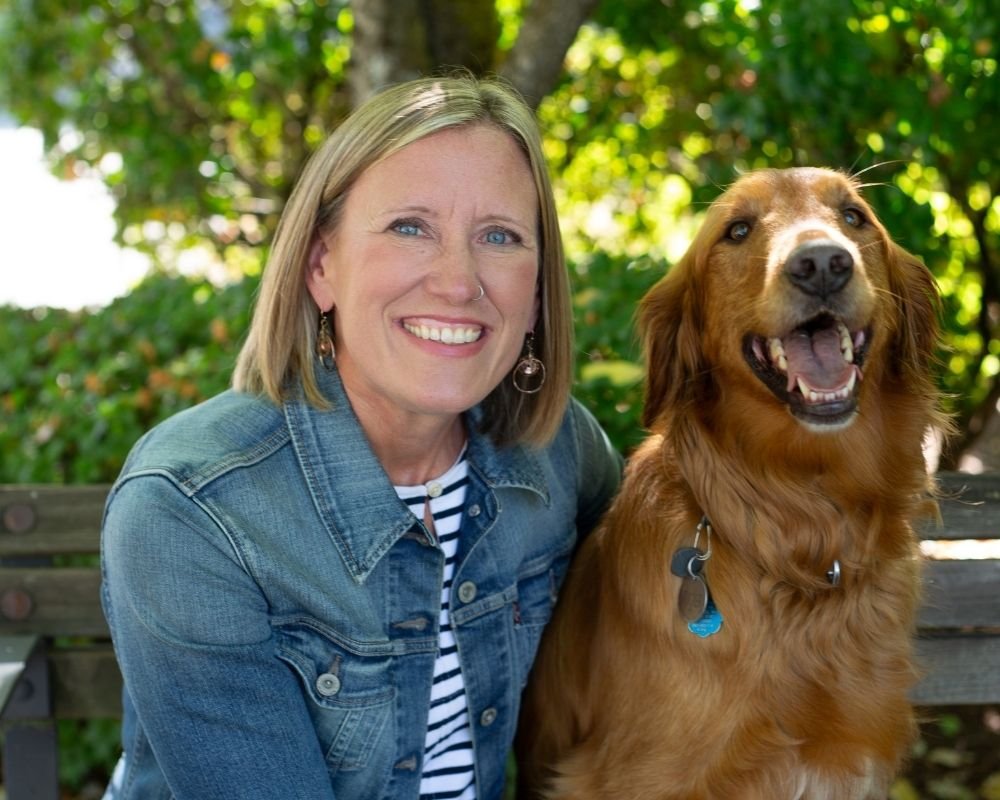
Trauma work asks a lot of you. That’s why I’m here.
I'm Sara Bickerstaff, LMHC. I know that choosing someone to sit with your hardest history is a big deal.
TRAINED & EXPERIENCED IN EMDR- EMDR (Eye Movement Desensitization & Reprocessing) is a structured, well-researched method for treating trauma. It's a primary modality in my practice.
16+ YEARS IN PRACTICE - I've spent more than 16 years as a mental health counselor. That experience matters when the work gets hard.
RELATIONAL TRAUMA FOCUS - Trauma isn’t always a single incident. It's also patterns (criticism, unpredictability, etc.) that are reinforced over time.

How EMDR therapy works
01
Consultation & History
We start slow. Before any reprocessing, we talk through what brought you here and map the experiences shaping how you react today. You set the pace. Nothing gets rushed.
02
Preparation & Reprocessing
You'll learn tools to stay grounded and regulated first. Then, using EMDR's structured phases, we help your brain reprocess targeted memories so they lose their charge.
03
Integration
As old material settles, the triggers soften. We work on what a more regulated, grounded version of your life looks like, and how to maintain that steadiness on your own.
Trauma shows up in so many ways. Here’s a few of the things I often see .
EMDR and somatic-informed trauma work can help with a wide range of experiences and their after-effects.
CHILDHOOD & DEVELOPMENTAL TRAUMA
Early experiences that shaped your nervous system before you had words for them.
RELATIONAL TRAUMA
Wounds that came from the people who were supposed to be safe.
ANXIOUS ATTACHMENT
The ruminating, the reassurance-seeking, the panic when connection feels uncertain.
EMOTIONAL DYSREGULATION
Reactions that feel bigger than the moment and harder to steer than they should be.
SINGLE INCIDENT TRAUMA
A specific event that your mind keeps circling back to.
BODY HELD STRESS
Tension, bracing, and unease that talk therapy alone hasn't been able to reach.

Are trauma therapy and EMDR right for your situation?
They are likely appropriate if …
You're an adult (or young adult 16+) in Washington State
Old experiences keep affecting your present relationships
You've done talk therapy but feel stuck below the surface
You're ready to go at a steady, supported pace
They may not be the right fit if …
You're in active crisis or need higher-acuity care
You're looking for couples therapy
You need in-person or emergency services
A different specialty would serve you better right now

What people want to know before starting
-
EMDR (Eye Movement Desensitization & Reprocessing) is a structured, research-backed therapy for trauma. Using gentle back-and-forth stimulation (like guided eye movements), it helps your brain reprocess memories that got "stuck," so they stop carrying the same emotional charge. You don't have to talk through every detail for it to work.
-
Yes. Virtual EMDR is well-established and effective, and it's how I deliver all of my sessions. Many people find it easier to do this work from a space where they already feel safe (from their own home) rather than in an unfamiliar office.
-
No. One of the reasons people find EMDR more tolerable than they expected is that it doesn't require retelling everything out loud, over and over. We target specific memories, and much of the reprocessing happens internally with my guidance.
-
I'm an out-of-network provider, so I don't bill insurance directly. Many clients use their out-of-network benefits, and I'm happy to provide the paperwork (a superbill) to help you seek reimbursement. In some cases, I’m able to submit claims to your insurance company for you.
-
It varies. Some people notice shifts within a handful of sessions; others, especially with complex or long-standing trauma, may require more time. We'll talk openly about your goals and revisit them as we go.
-
EMDR is a specific structured protocol for reprocessing memories. Somatic approaches focus on how trauma is held in the body and use body awareness to release it. They're complementary, and trauma work often draws on both to help your whole system settle.
-
Yes! It's one of the reasons I use it. Childhood and relational trauma often gets stored before you had language for it, which is exactly the kind of material EMDR is designed to reach. It's a strong fit for wounds that talk therapy alone hasn't fully resolved.
-
Everywhere in the state. Because the practice is 100% Telehealth, I see clients from Seattle and Tacoma to Spokane, Vancouver, and small towns in between. If you're a Washington resident, I can work with you.

Ready to stop fighting your way through old triggers?
YOU DON’T HAVE TO DO THIS ALONE.
Reach out through the contact form and tell me a little about what you'd like to work on. We'll take it from there at your pace.
16+ years supporting Washington clients · Trained EMDR therapist